


Vacuum Mold
HEPA Vacuum to Remove and Prevent Mold
Regularly vacuuming your home with a HEPA (high efficiency particulate air) vacuum cleaner helps to reduce allergic reactions to mold and prevent mold growing in the home.HEPA Filters
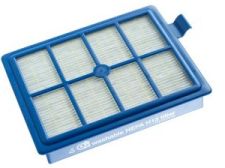
When you vacuum with a non-HEPA vacuum cleaner most mold spores pass through the filtration, out the exhaust and back into the air, as they are too small for ordinary filters to trap them.
But when you vacuum with a HEPA vacuum cleaner mold spores are caught by the HEPA filter and kept inside the vacuum. This is why vacuuming with a HEPA vacuum is one of the best ways to reduce the number of mold spores in your home which are the cause of mold allergies.
HEPA Vacuums Help With Allergies
Besides reducing mold spores, HEPA vacuums also remove other types of allergens from the home which could be causing you to suffer allergic reactions. For example, pollen and dust mite feces.It's best to vacuum your home at least once a week with a HEPA vacuum cleaner to minimize the amount of mold spores and other allergens in the air. Not only will less mold spores in your home's air reduce allergic reactions but it will also reduce the chances of mold growing in your home.
Mold Symptoms describes the symptoms which mold and allergies cause.
HEPA Vacuums in Mold Removal and Remediation
Besides being a great help in minimizing mold spores in the home through regular vacuuming, HEPA vacuum cleaners are also vital during the mold removal and remediation process.If you have found mold in your home, after removing the mold growth the final stage should be to vacuum the room with a HEPA vacuum cleaner. This will vacuum up any mold spores stirred up during the mold removal process. Surfaces where the mold was growing should also be HEPA vacuumed, if practical, to remove any residual mold particles.
For more about mold removal and remediation and the role of HEPA vacuum cleaners during the process, visit the Mold Removal and Remediation page.