


How to Prevent Mold
The main things mold needs to grow in a home are organic materials to feed on and moisture. In houses there are always plenty of organic materials for mold to live on such as wood, drywall and various other building materials.Moisture, on the other hand, can be controlled practically and so keeping the moisture in your home low is the best way to prevent mold growth.
Prevent Mold by Preventing Moisture
Most molds need 24-48 hours of moisture to begin to grow. Therefore if a suitable material in your home is wet for more than 24 hours then you run the risk of mold starting to grow.Prevent Mold by Preventing Water Leaks
There are a few main things which usually cause moisture problems in the home. One is water leaks. These include things such as leaking roofs or walls, leaking pipes and leaking taps or a leaking shower.If you know of any leaks in your home you should fix them without delay. You might need to inspect your home to find any water leaks you didn't know about.
Prevent Mold by Preventing Condensation
Condensation is another frequent cause of moisture. Condensation forms on cold surfaces when water vapor in the air cools and becomes liquid. Often you'll see condensation on metal pipes, concrete walls, water tanks and windows.One way to reduce condensation is to keep the temperature warmer in rooms. For example, by installing insulation. You can also insulate the surfaces themselves such as putting coverings over metal pipes. You'll also have less condensation occurring if you keep the humidity in your home low.
Prevent Mold by Reducing Humidity
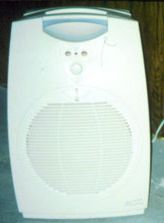
The best way to keep humidity low in your home is through ventilation. Open the windows during the day, especially when it's hot since this is when humidity is usually the lowest outside. Close your windows when it's raining outside though.
It's especially important to ventilate the rooms where steam and moisture builds up, like the kitchen and bathroom. Exhaust fans help to reduce the humidity when doing things like cooking or washing dishes.
Air conditioners can also reduce household humidity, as can using dehumidifiers in your home.
Wet Clothes and Preventing Mold
One common cause of moisture problems in homes is wet clothes. After you've washed your clothes you should immediately dry them. Don't leave them sitting in a wet pile for a long time. Make sure not to leave any wet clothes lying around waiting to be washed too.It's best to dry your clothes outside on a clothes line if you can. Hanging them inside on a clothes horse or indoor clothes line will not dry them as quickly and the moisture from your clothes will evaporate into the air, raising the humidity. If you dry them in a clothes dryer inside your home then you should exhaust the air outdoors if possible. In either case make sure the room where you're drying your clothes is well ventilated.
Mold and Clothes
Removing Mold
Once mold has begun to grow in your home it's not enough to just take away the mold's moisture source. Mold that runs out of moisture can lie dormant for a long time without dying. So if you already have mold growth in your home you need to take steps to have it removed.Killing Mold
Mold Removal and Remediation
Mold Food Sources and Cleaning to Prevent Mold
Mold grows and feeds on organic substances such as wood or cotton. Mold should not grow on surfaces like plastic, metal or glass unless there is a layer of grease or some other organic substance which it can feed on.Some materials mold commonly grows on in the home include wood, carpet, food, paper, insulation, wallpaper, paint, wallpaper glue, plasterboard, fabrics, cotton, books, leather, chipboard, furniture, dust, ceiling tiles, inside air conditioners and almost any other organic material.
You should clean regularly to reduce dirt and grime which mold can live on. Dust and vacuum often, ideally with a HEPA (High Efficiency Particulate Air) filtered vacuum cleaner to remove dust and other substances that mold can grow off of. It has been found that 80% of mold grows on dust.
For more information about vacuum cleaners and mold visit Vacuum Mold.
Minimizing Mold Spores to Prevent Mold
Mold spores are everywhere in the air outside. They float through buildings all the time and there is no practical way to remove all mold spores indoors.However if the concentration of mold spores inside is significantly higher than outside then it can start to cause health issues. A higher amount of mold spores also increases the potential for mold problems to start.
Mold spores enter homes through windows, doors, air ducts, etc. They can also be transported inside attached to skin, clothing, hair, pets, etc.
Although you cannot eliminate all mold spores inside your home or prevent all mold spores from entering, minimizing the amount of spores will prevent you from suffering mold related health problems and lessen the chance of mold beginning to grow in your home.
To minimize mold spores clean and dust often. Also vacuum your home regularly, preferably with a HEPA vacuum cleaner to remove mold spores. HEPA air filters in your home also help remove mold spores from the air.
Sunlight to Prevent Mold
Mold loves dark spaces indoors to grow in. Allowing sunlight in will reduce the chances of mold growing so open the curtains in rooms during the day to let natural light in.Warmth and Preventing Mold
Mold generally does not grow in cold environments. Warm, humid conditions are ideal for mold growth. Most molds need temperature of 70 degrees Fahrenheit (20 degrees Celsius) or more to grow.Air conditioners to regulate the temperature of your house can help prevent mold growth.
For more information about what the common causes of mold are in the home go to Mold Causes.